Aluminum Skid Plates: A Comprehensive Guide to Protecting Your Vehicle
Looking to protect your vehicle’s undercarriage? Learn why aluminum skid plates are a top choice for off-road and daily drivers in 2026.
If you want reliable protection for your vehicle, investing in the right aftermarket gear is essential. Skid plates shield your engine, transmission, transfer case, and fuel tank from rocks, debris, and other hazards. In this guide, we focus on aluminum skid plates and explain why they offer superior protection for your vehicle.

What Are Aluminum Skid Plates?
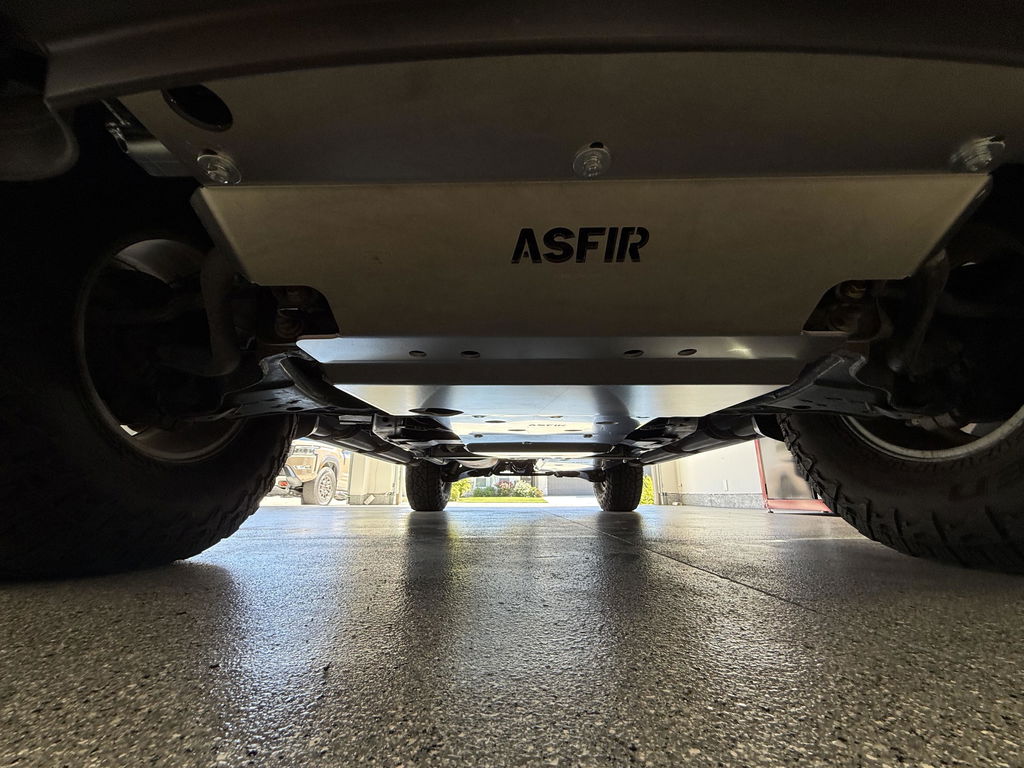
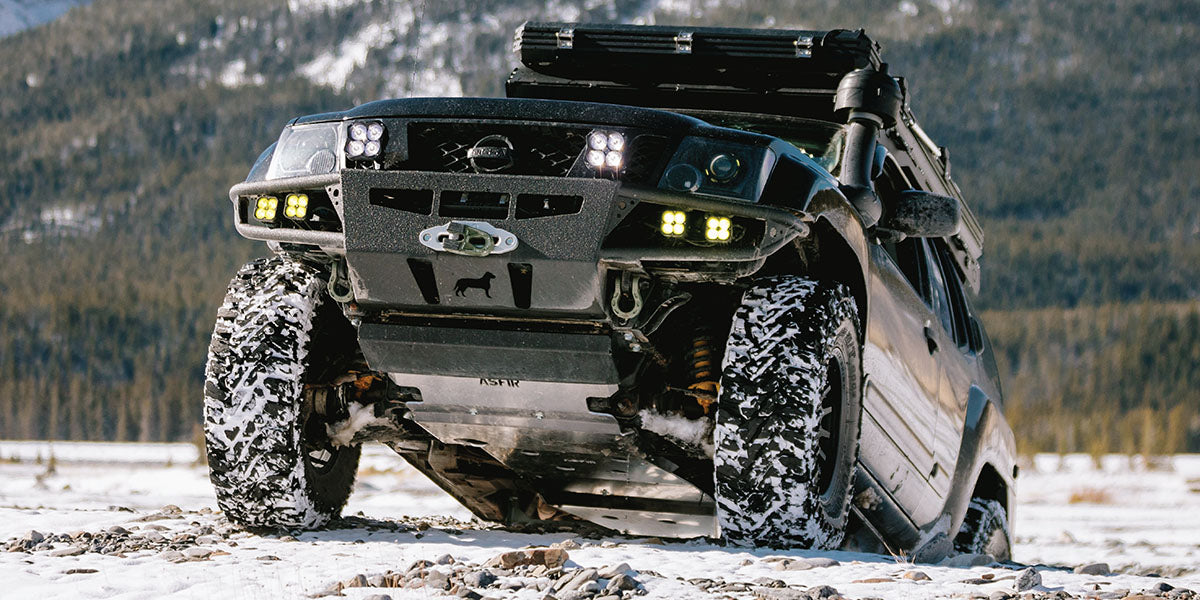
Aluminum skid plates are protective panels mounted to the underside of your vehicle. Their main function is to guard critical components from damage during both on-road and off-road driving. By acting as a barrier, they help prevent costly repairs caused by impacts with rocks, stumps, and other obstacles.
Why Choose Aluminum?
Aluminum is a popular skid plate material because it is strong, lightweight, and cost-effective. Unlike heavier alternatives, aluminum does not significantly affect your vehicle’s performance or fuel efficiency.
Benefits of Aluminum Skid Plates
- Lightweight Strength: Aluminum weighs about one-third as much as steel, providing protection without adding unnecessary weight.
- Corrosion Resistance: Aluminum naturally resists rust, thanks to its protective oxide layer. This means less maintenance and a longer lifespan compared to steel.
- Heat Dissipation: Aluminum conducts heat well, helping to dissipate heat from your vehicle’s undercarriage—especially useful in hot or rugged conditions.
- Cost-Effective: While aluminum may cost slightly more upfront than steel, its durability and resistance to corrosion make it a smart long-term investment.

Recommended Thickness for Aluminum Skid Plates
Choosing the right thickness is key for effective protection. The most common thickness options are:
- 3/16 inch (4.76 mm): Ideal for moderate terrain and general off-roading. Offers solid protection while keeping weight down.
- 1/4 inch (6.35 mm): Best for rugged, challenging off-road conditions. Provides extra durability for higher impacts.
Select the thickness based on the typical terrain you encounter. Heavier off-roading calls for thicker plates, while lighter use may only require the 3/16-inch option.
Do Aluminum Skid Plates Rust?
No, aluminum skid plates do not rust. Unlike steel, aluminum forms a protective oxide layer that prevents corrosion. This makes aluminum a low-maintenance, long-lasting material for skid plates.
How Long Do Aluminum Skid Plates Last?
The lifespan of aluminum skid plates depends on driving conditions and exposure. Generally, aluminum can last 20 to 50 years outdoors. However, frequent off-roading or harsh environments can shorten this lifespan.
- Exposure to Saltwater: Prolonged contact with saltwater can cause pitting corrosion. Rinse and inspect plates regularly if you drive in coastal or winter conditions.
- Physical Damage: Heavy impacts or significant bending may require replacement, even though aluminum is highly durable.

Get High-Quality Aluminum Skid Plates for Your Vehicle
ASFIR 4x4 offers premium aluminum skid plates designed for a wide range of vehicles and off-road adventures. Explore our inventory to find the perfect fit for your vehicle and enjoy long-lasting protection.
Ready to upgrade your vehicle’s protection? Click here to view our full catalog of Off Road Skid Plates.
Frequently Asked Questions
Can you paint or coat aluminum skid plates for extra protection?
Yes, you can paint or coat aluminum skid plates. While not necessary for corrosion resistance, coatings can help reduce physical wear and add a custom look.
How do aluminum skid plates compare to steel in durability?
Steel is stronger against impacts but much heavier and prone to rust. Aluminum offers a balance of durability, lighter weight, and corrosion resistance, making it ideal for most off-road and daily driving needs.
What are the downsides of aluminum skid plates?
The main drawback is that aluminum is not as strong as steel and may bend under extreme impacts. However, for most users, aluminum provides ample protection with less weight.
How often should you inspect aluminum skid plates?
Inspect your skid plates after every off-road trip and during regular vehicle maintenance. Look for signs of damage, heavy impacts, or corrosion, especially if exposed to saltwater or harsh conditions.